

What is RayMobTime?
Raymobtime is a collection of ray-tracing datasets for wireless communications, that can be accessed here. It considers scenarios with mobility and time evolution, for consistency over time, frequency and space. We have used Remcom’s Wireless Insite for ray-tracing and the open source Simulator of Urban Mobility (SUMO) for mobility simulation (of vehicles, pedestrians, drones, etc). We also use Cadmapper and Open Street Map to simplify importing realistic outdoor scenarios. For more details, please check our publications.
Multimodal Colletion
Comprehensive data availability across diverse formats, including RGB images, LiDAR, positioning coordinates, and raw channel data
Scenarios
We provide versatile scenarios covering V2V, V2I, and Indoor environments. Includes multimodal datasets combining V2I connectivity with LiDAR and RGB imagery.

Scripts
Fully documented Python scripts covering the entire pipeline, from dataset generation to processing.

Blockage Prediction
Accurately forecast future blockage conditions to enable proactive network adjustments.

User Equipment (UE) Localization and Position Prediction
Determine and predict UE positions to support wireless communication.
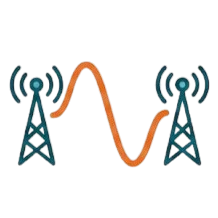
Channel Prediction
Predict the channel state information (CSI) to reduce the channel estimation overhead.
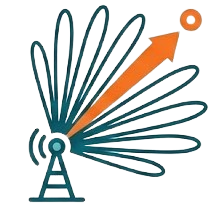
Beam Prediction
Predict the optimal beam index to reduce the overhead associated with beam training.
Common use cases
Raymobtime addresses four primary use cases designed to enhance wireless communication efficiency. First, Blockage Prediction allows for proactive network adjustments by forecasting future signal obstructions. Second, User Equipment (UE) Localization and Position Prediction focuses on determining and anticipating device locations to maintain stable connections. The framework also supports Channel Prediction to reduce the overhead associated with estimating Channel State Information (CSI), and Beam Prediction to identify the optimal beam index, significantly cutting down on beam training requirements.
Scenarios Types
Evaluation Environments
V2I Only: Single-link vehicle-to-infrastructure connectivity.
Multimodal (V2I + Vision): Signal processing augmented by visual data.
V2V Links: Mobile-to-mobile communication dynamics.
Indoor Mesh: User-centric networking in enclosed areas.
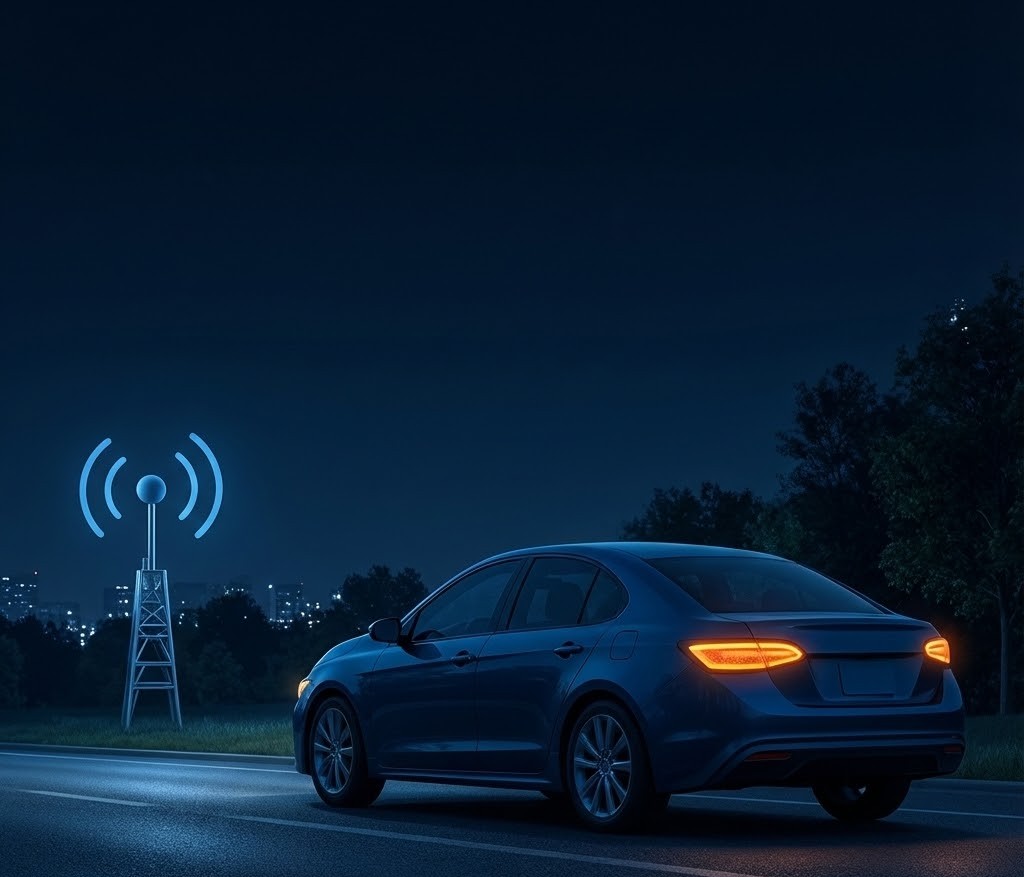
V2I
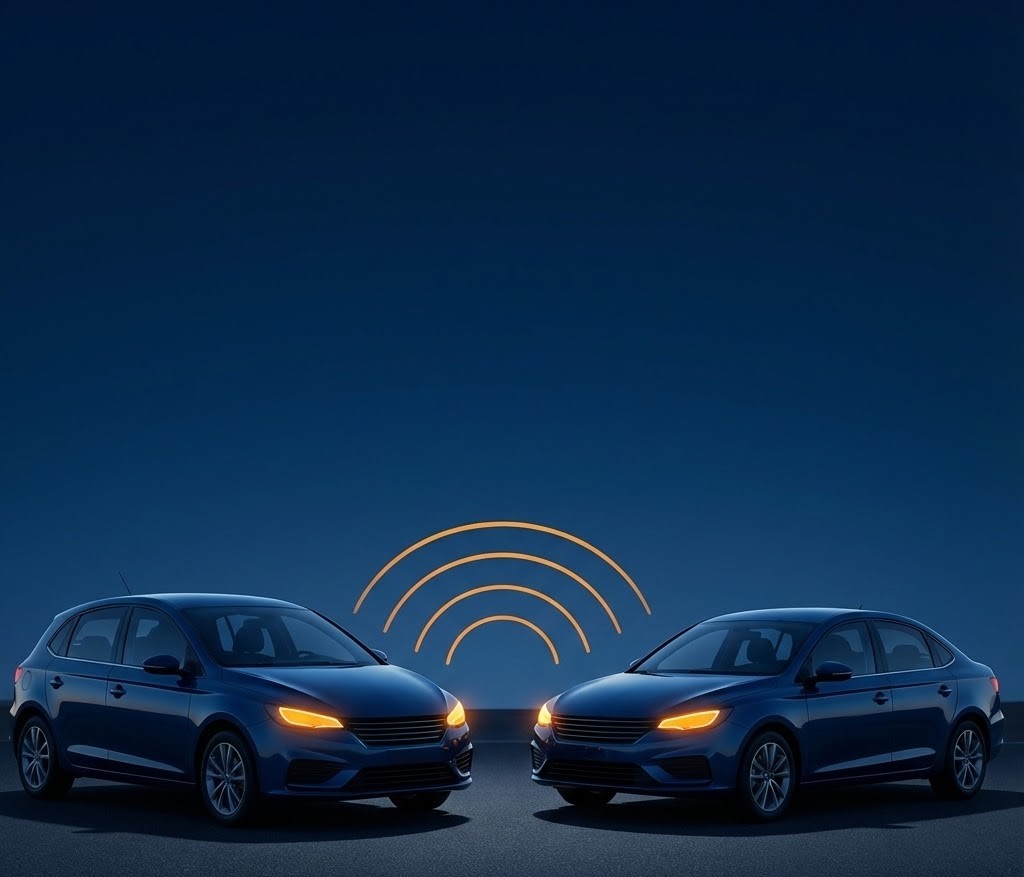
V2V
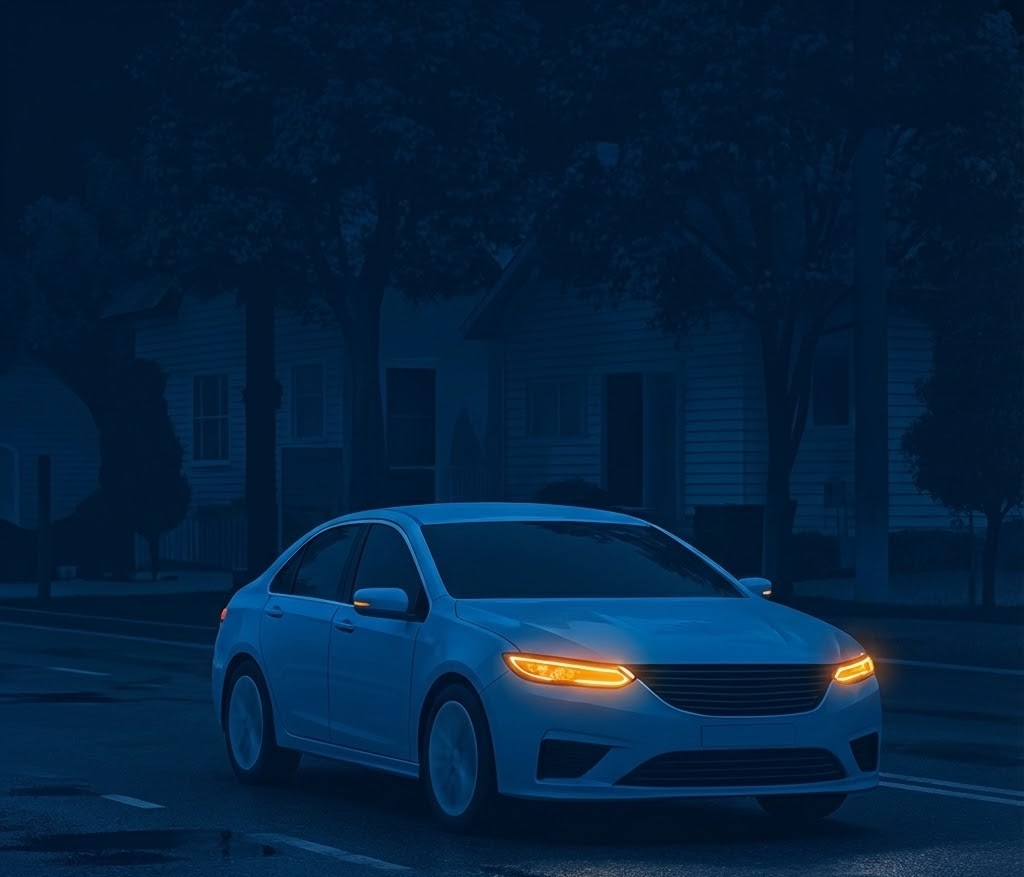
V2I + camera + images
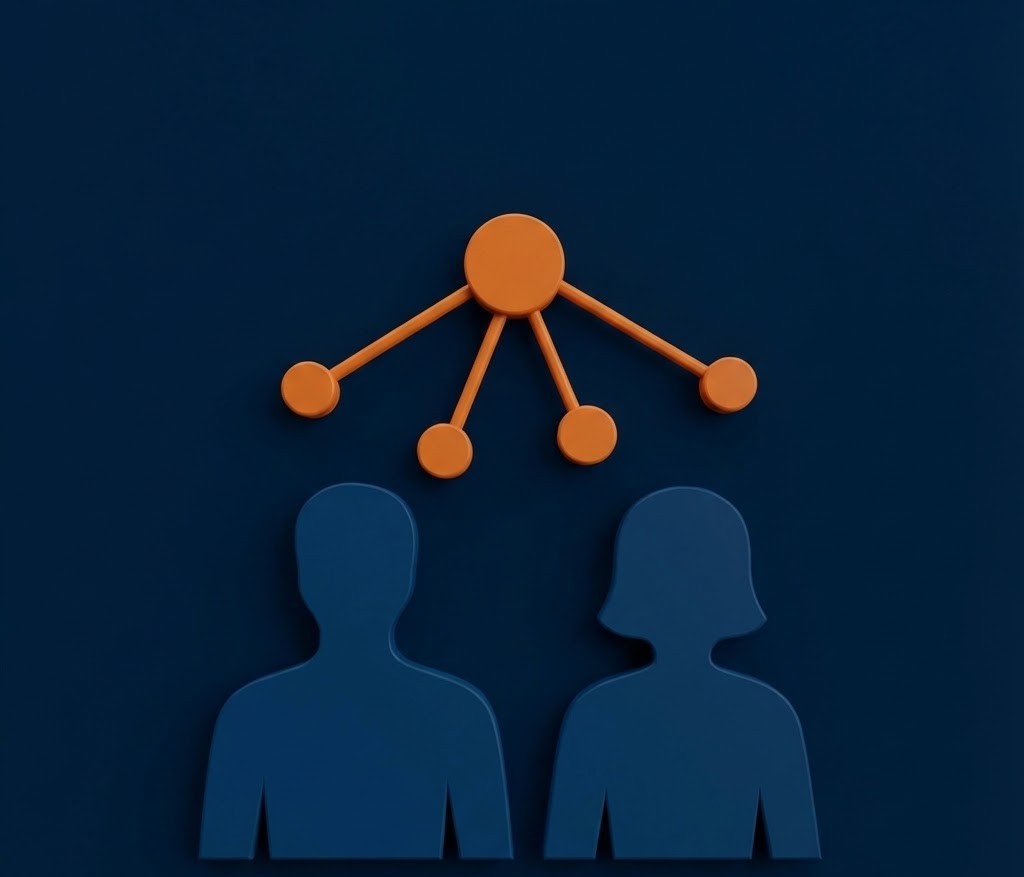
Indoor
News & Updates
New dataset
Multimodal Colletion
Our new dataset indoor captures data from multiple sensors to. Comprehensive data availability across diverse formats, including RGB images, LiDAR,
Read More
New publication
Research in 6G: Datasets for deep learning
Our new dataset indoor captures data from multiple sensors to. Comprehensive data availability acros
Read More
Software actualization
New simulation scripts available
Our new dataset indoor captures data from multiple sensors to. Comprehensive data availability across diverse formats, including RGB images, LiDAR,
Read More
Key References
In order to use the Raymobtime datasets/codes or any (modified) part of them, please cite this paper:
Bibtex entry:
@inproceedings{Klautau18,
  author    = {Aldebaro Klautau and Pedro Batista and Nuria Gonzalez-Prelcic and Yuyang Wang and Robert W. {Heath Jr.}},
  title     = {{5G} {MIMO} Data for Machine Learning: Application to Beam-Selection using Deep Learning},
  booktitle = {2018 Information Theory and Applications Workshop, San Diego},
  pages     = {1--1},
  year      = {2018},
  url       = {http://ita.ucsd.edu/workshop/18/files/paper/paper_3313.pdf}
}